Cosmetic Dentistry Trends That Are Changing Smiles

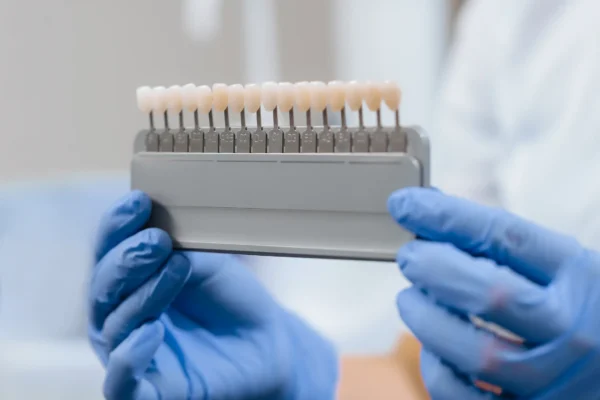

Cosmetic Dentistry has moved well beyond the era of uniformly bright, overly opaque smiles that looked fine on television and slightly unreal in person. The most important shift in recent years is not a single material or procedure. It is a change in taste, technique, and patient expectations. People still want whiter, straighter, more balanced teeth, but they also want those results to look believable in daylight, to preserve healthy tooth structure, and to fit comfortably into real life.
That sounds simple until you sit in a consultation room and realize how many competing goals Cosmetic Dentistry are at play. A patient may want to close spaces, lighten shade, correct wear, protect enamel, and avoid long treatment timelines, all while staying within a budget. The modern cosmetic dentist is balancing esthetics, function, facial harmony, and risk management every step of the way. The best work often looks effortless. It rarely is.
What is changing smiles now is not only technology, though technology matters. It is the growing preference for conservative care, better planning, finer materials, and a more individualized idea of beauty.
Natural is the new ideal
A decade ago, many cosmetic cases chased a very specific look: teeth that were very white, very even, and almost identical from one person to the next. That approach still has an audience, but the broader trend has shifted toward natural refinement. Patients now bring in photos of their younger smiles, not only celebrity references. They ask for brightness, but they also ask for translucency at the edges, softer contouring, and tooth shapes that fit their face rather than overpower it.
This is a meaningful change. Natural looking cosmetic work is often harder to achieve than obvious cosmetic work. Real teeth have variation. The central incisors are not clones of the laterals. Surface texture catches light in subtle ways. Incisal edges are not ruler-flat in most attractive smiles. A good cosmetic result respects those details.
The practical effect is clear in veneer cases. Instead of placing eight or ten ultra-white restorations with the same silhouette, many dentists now spend more time on smile design, mock-ups, and shade layering. Patients are shown options that range from “camera-ready bright” to “healthy, rested, and believable.” More often than not, they choose the latter once they see it in the context of their face.
Minimal preparation veneers and additive dentistry
If one trend has truly reshaped Cosmetic Dentistry, it is the move toward doing less irreversible drilling whenever possible. Minimal preparation veneers, and in some cases no-prep veneers, reflect a larger philosophy called additive dentistry. Rather than cutting away healthy enamel to create space, the dentist adds material where needed and reshapes the smile conservatively.
This approach works best in specific situations. A patient with small teeth, minor spacing, chipped edges, or slight asymmetry may be an excellent candidate. A patient with very prominent teeth or severe crowding may not be. That distinction matters. The phrase “no-prep” can sound universally desirable, but it is not automatically the best option in every mouth. If added material makes teeth look bulky or pushes lip posture unnaturally, the result will disappoint no matter how little enamel was touched.
Still, the broader trend is sound. Preserving enamel generally improves bonding strength and reduces biological cost. It also keeps future retreatment options more flexible. In practice, many experienced cosmetic dentists aim for the least invasive solution that can reliably achieve the patient’s goals. Sometimes that means ultrathin porcelain veneers. Sometimes it means composite bonding. Sometimes it means whitening plus orthodontics and no veneers at all.
Patients are much more receptive to this conversation than they used to be. They ask better questions now. They want to know not only how something will look next month, but also what it means for the next fifteen years.
Composite bonding is having a serious moment
There was a time when direct composite bonding was often treated as the lower-cost cousin of porcelain. That attitude has changed. Better materials, better polishing systems, and more refined layering techniques have made bonding one of the most versatile tools in esthetic dentistry.
For the right case, composite can be remarkably effective. A small chip, peg lateral, dark triangle, worn edge, or uneven contour can often be improved in a single visit with little to no drilling. It is also easier to repair than porcelain, which matters for patients who grind, play contact sports, or simply want a more reversible first step.
The trade-off is longevity and maintenance. Composite does not usually hold polish and stain resistance as long as porcelain. It can dull over time, especially in heavy coffee, tea, red wine, or tobacco users. It may need touch-ups or replacement sooner. Yet for many people, that is a reasonable compromise. If the dentist is skilled and the case is well selected, composite bonding can produce elegant, conservative, and cost-conscious results.
This has changed how treatment plans are built. Instead of presenting bonding as a temporary measure, clinicians increasingly use it as a long-term cosmetic strategy for selected cases. It can also function as a diagnostic tool. A patient unsure about veneers can trial a shape change in composite first, live with it for a few months, and then decide whether porcelain is worth the added investment.
Digital smile design is making consultations more precise
One of the most noticeable changes in patient experience is how visual consultations have become. Digital photography, facial analysis, intraoral scanning, and software-based smile previews now allow dentists to plan with greater precision and communicate more clearly.
That does not mean every simulation is a promise. It should not be presented that way. Software can help illustrate tooth proportions, gingival display, midline alignment, and incisal edge position, but real biology still sets limits. Lips move. Bite forces matter. Existing restorations, wear patterns, and tissue levels can complicate what looks simple on a screen. The best clinicians use digital tools as planning aids, not shortcuts.
Where this trend really shines is in expectation management. A patient who thinks they need veneers on every front tooth may realize that whitening and minor bonding are enough. Another may see that whitening alone will not correct shape discrepancies or old mismatched fillings. A digital preview can save people from both over-treatment and under-treatment.
It also improves lab communication. When the dentist, ceramist, and patient are aligned on shape, surface character, and shade direction before final restorations are made, remakes become less likely. That matters because esthetic remakes are expensive in time and trust, not only in dollars.
Clear aligners are changing cosmetic treatment sequencing
Straightening teeth used to be thought of as separate from Cosmetic Dentistry. Now it is often the first phase of cosmetic treatment, especially with the widespread acceptance of clear aligners. Moving teeth before restoring them can reduce the need for drilling, improve symmetry, and create room for more conservative cosmetic enhancements.
A classic example is the patient with mild crowding and uneven incisal wear. Ten years ago, that person might have been offered veneers to make teeth appear straighter. Today, many dentists begin with aligners to reposition the teeth, then use whitening and selective bonding to refine edges. The final smile can look more natural and preserve far more tooth structure.
There are limits, of course. Aligners are not magic, and truly complex bite corrections may still require comprehensive orthodontics. Patients also underestimate compliance. If trays are not worn consistently, timelines drift and outcomes suffer. But for a large number of adult cosmetic patients, aligners have become a bridge between esthetics and biology. They let dentists solve the underlying position problem first, then restore only what actually needs restoring.
This sequencing has raised the standard of care in many cosmetic cases. It also reflects a more mature understanding of what beautiful dentistry should do. It should not merely cover problems. It should solve them as directly and conservatively as possible.
Whitening is getting more personalized
Tooth whitening remains the gateway procedure in Cosmetic Dentistry, but even here the trend is toward customization rather than one-size-fits-all kits. Patients are more informed about sensitivity, relapse, and the difference between external stains and deeper discoloration. Dentists are responding with more tailored protocols.
Some patients do best with low-concentration tray whitening over two to three weeks. Others need a combination of in-office treatment and take-home maintenance. Patients with tetracycline staining, fluorosis, or age-related darkening often need a candid discussion about realistic improvement. Whitening can help significantly, but it may not deliver the uniform result people imagine from social media photos.
Sensitivity management has improved as well. Desensitizing agents, modified wear schedules, and careful product selection allow many patients to whiten comfortably even if they previously had a bad experience. This seems small, but it changes uptake. People who abandoned whitening years ago often come back once they understand it can be done with more control.
Another subtle but important trend is that whitening is increasingly being used as a planning step rather than an isolated service. Dentists often whiten first, then match any new bonding, veneers, or crowns to the lighter baseline. That leads to more cohesive esthetic outcomes and avoids the common problem of placing restorations only to have the patient want a brighter smile later.
Gum aesthetics are finally getting the attention they deserve
A smile is not made by teeth alone. Gingival architecture, lip position, and the balance between pink and white all play a major role in whether a smile looks youthful and harmonious. As a result, soft tissue procedures have become a bigger part of cosmetic planning.
Laser gingival contouring is one example. For patients with uneven gum levels, altered passive eruption, or a “gummy smile” caused by excess gingival coverage of the teeth, carefully reshaping tissue can dramatically improve proportions. Sometimes that single change makes teeth look longer, cleaner, and more symmetrical without touching the enamel at all.
That said, gum display is not always a gum issue. It can be related to upper lip mobility, jaw position, tooth wear, or eruption patterns. This is where experience matters. A clinician who treats every gummy smile with a laser may miss the real cause. Good diagnosis comes before cosmetic enthusiasm.
Periodontal health is also more central to cosmetic treatment now. Inflamed tissue bleeds, swells, and photographs poorly. It also makes margin placement and shade matching less predictable. Many of the best smile makeovers begin with hygiene improvement and tissue stabilization, not because that is glamorous, but because healthy gums make every esthetic result better.
Better ceramics, better texture, less “fake”
Modern ceramics have changed what is possible in subtle cosmetic work. Materials such as lithium disilicate and layered porcelains can combine strength with lifelike translucency, particularly in the front of the mouth where esthetics are unforgiving. What patients notice is not the chemistry. They notice that restorations no longer have to look flat or chalky to look bright.
Texture is a big part of this. High-end cosmetic work now pays closer attention to microtexture, line angles, and how light moves across the tooth surface. Two restorations can be the same shade on paper and still look very different in the mouth. A restoration with natural texture and depth will often appear more convincing than a brighter restoration with a featureless surface.
Ceramist collaboration has become more visible because of this. In complex veneer or crown cases, photos, video, and custom shade appointments are common. That may seem excessive to patients at first, until they understand the goal. The objective is not merely to fill a space where a tooth is missing or damaged. It is to create something that disappears into the smile.
Smile makeovers are becoming more interdisciplinary
One of the healthiest trends in Cosmetic Dentistry is the willingness to involve multiple disciplines when needed. The era of one dentist trying to do everything in-house, regardless of complexity, is fading in high-quality practices. Cosmetic outcomes are often best when the restorative dentist works closely with an orthodontist, periodontist, oral surgeon, or prosthodontist.
A patient with severe wear might need bite stabilization before esthetic changes. Someone replacing a front tooth may need implant planning that prioritizes tissue support and emergence profile from the beginning, not after the fixture is already placed. A patient unhappy with old crowns may need occlusal adjustment and periodontal evaluation before any cosmetic remake starts.
This interdisciplinary approach usually produces better outcomes, even if it stretches the timeline. It also reduces the kind of esthetic failures patients remember for years, especially the cases where the teeth looked acceptable for a month but began chipping, inflaming the gums, or feeling awkward in function soon after.
Patients are asking smarter questions about longevity
Another noticeable shift is how people evaluate treatment. The conversation used to revolve around appearance and cost. Now longevity, maintenance, and reversibility come up much earlier. Patients want to know how often veneers may need replacement, whether bonding can be repaired, how whitening affects sensitivity, and what habits could shorten the life of their investment.
That is a good development. Cosmetic work always exists inside a living, aging system. Teeth move slightly over time. Gums change. Bite forces change. Materials wear. There is no permanent cosmetic procedure in the strictest sense, only restorations and enhancements with different maintenance profiles.
A practical consultation should cover points like these:
- how much natural tooth structure will be altered
- what maintenance or touch-ups are likely over five to ten years
- whether night guard use is recommended for clenching or grinding
- how existing fillings, crowns, or gum issues affect the final result
- what the realistic alternatives are if the ideal plan is not the preferred plan
Those questions tend to separate thoughtful treatment planning from sales-driven treatment planning. A polished before-and-after gallery matters, but honest discussion of maintenance matters more.
Social media has raised interest, but also distorted expectations
No modern discussion of Cosmetic Dentistry can ignore the influence of social media. It has made patients more aware of options, more interested in smile enhancement, and more willing to prioritize dental esthetics as part of broader self-care. That increased access to information has real value.
It has also created confusion. Photos are often edited, overexposed, or taken immediately after treatment when tissues are pristine and dehydration makes teeth appear lighter. Short videos flatten complexity into a thirty-second reveal. Terms like “veneers” are used loosely, sometimes referring to crowns, sometimes to bonding, sometimes to digitally altered images that are not treatment results at all.
This affects consultations every week. Patients arrive with a highly filtered reference image and expectations that do not account for their facial features, lip dynamics, bite, or starting anatomy. The best cosmetic dentists do not dismiss those references. They decode them. Often the patient is reacting to one feature, such as softer edges, a wider smile arc, or reduced dark triangles, not the entire smile shown in the image.
Managing that conversation well is part technical, part psychological. It requires listening closely, translating subjective goals into clinical terms, and guiding people toward results that are attractive on screen and in person.
The best cosmetic work is still case selection
For all the excitement around new materials and digital workflows, the biggest determinant of success remains judgment. The right treatment for one patient can be the wrong treatment for another with nearly the same complaint. A small space between front teeth could be closed with bonding, orthodontics, veneers, or a combination. The best choice depends on tooth size, occlusion, shade, hygiene, parafunctional habits, and the patient’s tolerance for maintenance and cost.
That is why trends should be understood as tools, not mandates. Minimal prep is excellent until it creates bulk. Whitening is useful until intrinsic staining limits it. Aligners are conservative until noncompliance undermines them. Porcelain is beautiful until a high-risk grinder fractures it repeatedly. Cosmetic Dentistry rewards restraint as much as ambition.
When a treatment plan is strong, it usually reflects a few consistent principles:
- the diagnosis goes deeper than “make it prettier”
- healthy enamel and gum tissue are preserved whenever practical
- function is considered alongside shade and shape
- the patient understands the trade-offs, not only the upsides
- the final result suits the face, age, and personality of the person wearing it
Those principles are not flashy. They are the reason the best smiles age well.
Where smiles are headed next
The direction is clear even if the details keep evolving. Cosmetic Dentistry is becoming more personalized, more conservative, and more integrated with overall oral health. Patients are less interested in a generic white smile and more interested in a smile that feels like an improved version of their own. Dentists have better tools to deliver that, but the real advance is conceptual. The field is moving away from transformation for its own sake and toward refinement with purpose.
That is changing smiles in the most meaningful sense. Not only how they look in a photograph, but how they fit the face, how they function in daily life, and how comfortably patients can live with them for years. The smiles people admire most now are rarely the loudest. They are the ones that seem to belong there, which is exactly what excellent cosmetic dentistry should achieve.
Toothworks of Bakersfield, Dentist and Orthodontist
1030 H St #1, Bakersfield, CA 93304, United States
+1 661-323-9421
FAQ About Cosmetic Dentistry
Is bonding better than veneers?
Neither option is best for everyone. Composite bonding can address small chips, gaps, or shape concerns and is generally easier to repair. Porcelain veneers may offer greater resistance to staining and wear, but often require removal of some enamel. A dentist should assess your oral health, bite, goals, and budget before recommending treatment.
How long will dental bonding last?
Bonding commonly lasts about three to ten years before it needs repair or replacement, though this varies with the location and amount of bonding, your bite, and daily habits. Regular dental visits, good oral hygiene, and avoiding chewing hard objects can help protect it. Ask your dentist what lifespan is realistic for your particular treatment.
What are the risks of teeth whitening?
Whitening can cause temporary tooth sensitivity and gum irritation. Overuse or incorrect use may damage teeth or gums, and whitening does not change the color of existing crowns, veneers, or fillings. Have a dentist assess your teeth and gums, and follow the recommended product directions and treatment schedule.