How to Compare Cosmetic Dentistry Treatments Effectively
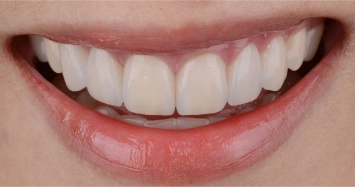
Choosing between cosmetic dentistry treatments sounds simple until you are actually sitting in the consultation chair, looking at a mirror, listening to terms like bonding, veneers, whitening, contouring, aligners, and crowns. Many patients arrive with a single goal, usually "I want a better smile," but they leave realizing there are several paths to get there, each with different costs, timelines, maintenance demands, and long-term consequences.
That is where comparison matters. Not every treatment that looks good in a before-and-after photo is the right fit for your teeth, your bite, your habits, or your budget. Cosmetic dentistry can be transformative, but only when the treatment matches the underlying problem. A slightly uneven front tooth needs a different answer than deep enamel staining. Crowding that makes teeth look crooked often needs a different strategy than teeth that are chipped but otherwise well aligned.
The most useful way to compare cosmetic dentistry options is not by asking which treatment is "best." It is by asking which treatment solves your specific concern with the least unnecessary intervention and the most predictable outcome.
Start with the actual problem, not the treatment name
Patients often ask for a treatment they have heard about online. Veneers are a common example. Someone sees a celebrity smile, reads about porcelain veneers, and assumes that is the answer. But if the real concern is mild yellowing and one slightly rotated tooth, veneers may be far more treatment than necessary. Whitening plus minor orthodontic alignment, or bonding on a single tooth, may achieve a more conservative and less expensive result.
This happens in the other direction too. A person may ask for whitening because they think their smile looks dull, when the bigger issue is worn edges, patchy enamel, and old fillings that no longer match the surrounding teeth. Whitening alone will not fix shape, asymmetry, or restorations that have darkened over time.
A useful consultation begins with diagnosis, not sales language. The dentist should identify whether the cosmetic issue is mainly about color, shape, spacing, alignment, proportion, gum display, or a combination of several factors. Sometimes the best cosmetic result starts with a non-cosmetic issue, such as grinding, gum disease, or a bite problem that must be stabilized first.
That may not sound glamorous, but it is often the difference between a result that lasts and one that chips, stains, or looks wrong within a year or two.
The five comparison questions that matter most
When people compare cosmetic dentistry treatments effectively, they tend to focus on five practical questions:
- How much healthy tooth structure will be altered?
- How long will the result realistically last?
- What maintenance will be required over time?
- How natural will the result look on my face and with my other teeth?
- What happens if I do nothing for now and revisit treatment later?
That last question is underrated. Not every cosmetic issue is urgent. Sometimes waiting is smart, especially for younger patients, people who are still stabilizing oral health, or anyone considering a highly irreversible procedure without being certain they want it.
Whitening, a small change that can make a big difference
Teeth whitening is often the first place to look because it is conservative. Very little is physically changed. In healthy mouths, it can produce a strong visual improvement without drilling, reshaping, or covering the teeth.
That said, whitening is not one thing. There are over-the-counter strips, custom tray systems prescribed by dentists, and in-office treatments with stronger gels and light or heat activation. Results vary based on the cause of discoloration. Cosmetic Dentistry toothworksofbakersfield.com Yellowing from age, coffee, tea, red wine, or tobacco often responds reasonably well. Gray, blue, or internally darkened teeth, especially after trauma or root canal treatment, are less predictable. Tetracycline staining is its own category and can be particularly stubborn.
A common mistake is comparing whitening options only by speed. An in-office session may brighten teeth quickly, but some people get more stable and even-looking results from custom trays used over a couple of weeks. Another issue is sensitivity. Some patients tolerate almost any whitening product. Others feel sharp zings from even mild formulas. If you already have gum recession, enamel wear, or a history of sensitivity, that should factor into your comparison.
Whitening also has a limit that many people do not realize until after treatment. It changes natural tooth color, but it does not lighten crowns, veneers, fillings, or bonded areas. If you have visible dental work in the front of your mouth, whitening may create a mismatch rather than a polished look. That does not mean whitening is the wrong choice. It means the treatment plan may need sequencing, whitening first, then updating older restorations to match the new shade.
Bonding, conservative and versatile, but not always durable enough
Composite bonding has become popular for good reason. It is one of the most flexible tools in cosmetic dentistry. A skilled dentist can use tooth-colored composite to repair chips, close small gaps, reshape short edges, mask minor discoloration, and improve symmetry, often in one visit and often with minimal or no drilling.
For patients comparing cosmetic dentistry treatments, bonding often wins on affordability and reversibility, at least relative to veneers or crowns. It can be an excellent choice for younger adults, small corrections, or cases where someone wants to improve a smile without making a large financial or structural commitment.
The trade-off is durability. Composite resin is strong enough for many uses, but it is not porcelain. It can stain over time, especially in people who drink a lot of coffee, tea, or red wine, or in smokers. Edges can chip, particularly in patients who bite their nails, chew ice, or grind their teeth. It also requires artistic skill. Good bonding looks effortless. Poor bonding looks opaque, bulky, or too flat.
This is where photos can mislead people. Two bonding cases may seem similar online, yet one lasts beautifully for years while another needs repeated touch-ups. The difference is often not just the material. It is case selection, bite forces, surface preparation, finishing technique, and patient habits. If you are comparing bonding against veneers, ask not only what each treatment looks like on day one, but what it is likely to look like three to five years later.
Veneers, powerful for shape and color, but more commitment than many expect
Porcelain veneers can create dramatic change. They are particularly useful when the cosmetic concerns are layered together, such as discoloration, uneven edges, worn enamel, minor spacing, slight shape irregularities, and teeth that are generally healthy but visually inconsistent. Veneers can produce a highly refined result because they address color and form at the same time.
But veneers are not just "better bonding." They are a different category of treatment. In many cases, some enamel reduction is needed to make room for the porcelain and create a natural profile. Sometimes that reduction is modest. Sometimes more is required, depending on tooth position, color, and the planned design. Either way, veneers represent a long-term commitment. Once teeth are prepared, they will need continued restoration over time.
This does not make veneers a bad option. For the right patient, they can be excellent. It simply means they should be compared honestly. The key questions are about necessity, preparation level, and design philosophy. Are veneers being recommended because they are truly the best solution, or because they can bypass issues that might otherwise be handled in a more conservative sequence?
I have seen cases where eight or ten veneers were proposed for concerns that mainly involved one dark tooth and slight crowding. I have also seen cases where veneers were absolutely justified because the teeth were heavily worn, patchy, and esthetically compromised in multiple ways that whitening and bonding could not reliably correct. Both scenarios exist. The treatment itself is not the issue. The fit is.
When comparing veneer providers, pay close attention to whether the work shown resembles natural teeth or "done" teeth. Some patients want a brighter, more stylized look. Others want a result no one can identify as dental work. Both preferences are valid, but they are not the same. If a dentist's portfolio consistently shows very uniform, bright, square veneers and you prefer softer, age-appropriate anatomy, that mismatch matters.
Crowns are not a cosmetic shortcut
Crowns can improve appearance, but they are usually best thought of as restorative treatment with cosmetic benefits rather than a first-line cosmetic option for otherwise healthy front teeth. A crown covers the entire tooth. It may be necessary when a tooth is heavily filled, cracked, root canal treated, structurally weakened, or severely damaged. In those cases, the cosmetic and structural goals overlap.
Where problems arise is when crowns are treated as a quick cosmetic fix for issues that do not require full coverage. A crown typically involves much more tooth reduction than bonding or veneers. If the tooth is sound, that level of intervention deserves scrutiny.
Patients comparing treatment plans should always ask why a crown is being recommended instead of a veneer, bonding, or orthodontic treatment. Sometimes the answer is strong and clinically sound. Sometimes it reflects habit, convenience, or a one-size-fits-all style of practice. A good explanation should be specific to the condition of the tooth, not generic.
Orthodontics often solves the root of the cosmetic problem
Crooked or crowded teeth are often approached cosmetically when they would be better addressed orthodontically. Clear aligners have changed the conversation because many adults who would never have considered braces are now open to short-term alignment. If spacing, rotation, or crowding is the main reason a smile looks uneven, moving teeth may be more conservative than covering them.
This is especially true when patients are tempted by veneers to create the appearance of straight teeth. Veneers can mask mild misalignment, but they do not correct bite relationships or tooth position. In some cases, a person can spend more on veneers, remove healthy enamel, and still end up with functional issues that orthodontics could have improved.
Of course, orthodontic treatment is not always enough on its own. Teeth that become aligned may still show wear, discoloration, or uneven edges. A combined approach often gives the best result: move the teeth first, then refine shape with bonding or improve color with whitening. That sequence tends to preserve more tooth structure and produce a smile that looks balanced rather than fabricated.
One practical detail many patients miss is timing. Clear aligners may take several months, while bonding can sometimes be completed in one appointment. If someone has a wedding or a public-facing career event coming up, that time difference matters. Cosmetic dentistry is not only about ideal biology. Real-life schedules and priorities count too. The key is to understand what convenience costs in terms of permanence and tooth reduction.
Gum contouring, often overlooked, sometimes transformative
Not every smile concern comes from the teeth themselves. Sometimes the issue is excessive gum display, uneven gum levels, or teeth that appear short because the gingival margins are asymmetrical. In those cases, gum contouring or periodontal treatment can dramatically improve the smile even before whitening, bonding, or veneers are considered.
This is one of the clearest examples of why treatment comparison should be diagnosis-driven. If one front tooth looks shorter than the other because the gum sits lower, adding material to the incisal edge may make the tooth longer without solving the actual imbalance. Correcting the gum line first can create a more harmonious result with less dental work.
This area requires judgment. Gum procedures vary from simple contouring in appropriate cases to more involved periodontal surgery. Healing time, tissue stability, and smile line visibility all matter. A thoughtful cosmetic plan will not ignore the frame around the teeth.
Compare treatments by lifespan, not just upfront price
Patients naturally ask what each option costs, but the better question is what it costs over time. A treatment that is less expensive initially may need more maintenance, more repairs, or earlier replacement. A treatment with a higher upfront fee may be more stable, but only if it was appropriate in the first place.
A simple comparison often helps clarify value:
| Treatment | Typical strengths | Common limitations | Maintenance pattern | | --- | --- | --- | --- | | Whitening | Conservative, affordable, quick visual lift | Does not change shape, may cause sensitivity, does not affect crowns or fillings | Touch-ups every several months to few years | | Bonding | Good for chips, gaps, shape refinement, usually conservative | Can stain or chip, technique-sensitive | Polishing, repair, replacement over time | | Veneers | Strong esthetic control over color and form, stain resistant | Irreversible in most cases, higher cost | Long lifespan possible, but eventual replacement likely | | Crowns | Useful for damaged or weakened teeth with cosmetic needs | More tooth reduction, not ideal as a cosmetic shortcut | Long-term monitoring, replacement when worn or compromised | | Aligners | Preserves tooth structure, addresses position directly | Takes time, requires compliance | Retainers and possible refinements |
No table can predict exactly how long any restoration will last because habits matter. A patient who clenches at night, skips retainers, and chews pens will test even well-done work. Another patient with a stable bite and excellent home care may keep restorations looking good for many years.
How the dentist matters as much as the material
Patients often compare treatments as if the material alone determines the outcome. In reality, cosmetic dentistry is highly operator-dependent. The same treatment can look elegant or awkward depending on diagnosis, planning, communication, technical execution, and finishing.
That is particularly true with bonding and veneers. Shade selection is part science, part art. Surface texture, translucency, edge shape, and facial proportion all influence whether the teeth look natural. A smile should fit the person, not just the trend.
When reviewing a dentist's cosmetic work, do not only look for bright white before-and-afters. Look for variety. Do the cases resemble real patients of different ages? Do the teeth match lip posture, facial shape, and neighboring structures? Are the final results believable at conversational distance? Sometimes the most impressive cosmetic work is the work that does not announce itself.
It also helps to ask how the result is planned. Some clinicians use digital smile design, wax-ups, mock-ups, or temporary prototypes so patients can preview changes before committing. That process can be incredibly useful, especially for veneers or larger smile makeovers. It reduces surprises and improves communication. A patient saying, "I want natural but better," can mean ten different things. Visual planning narrows that gap.
The hidden variables patients should not ignore
A cosmetic result that looks attractive in isolation may fail in context. Bite is the classic example. If the front teeth are being restored but the patient has heavy wear from grinding, the plan should address that risk, often with a night guard and careful occlusal design. If not, chipping or edge fracture may follow.
Saliva, medication use, dry mouth, reflux, and oral hygiene also affect longevity. Someone with significant dry mouth may struggle with recurrent staining, decay around margins, or discomfort during whitening. A patient with acid erosion may need protective treatment before cosmetic enhancement. These details do not make for glamorous marketing, but they strongly influence outcomes.
Age matters too. Younger enamel tends to be thicker, pulp chambers larger, and treatment decisions more consequential over a lifetime. A 24-year-old considering aggressive veneers deserves a different conversation than a 58-year-old with years of wear and repeated old restorations. The cosmetic goal may sound similar, but the clinical judgment should not be identical.
Questions worth asking at the consultation
A strong consultation leaves you clearer, not more dazzled. If a treatment is being recommended, the explanation should connect your goals to the biology of your teeth and the reality of maintenance.
Here are a few questions that tend to reveal the quality of the plan:
- What is the most conservative option that could still meet my main goal?
- What are the trade-offs of choosing bonding versus veneers in my case?
- How much natural tooth structure would be removed?
- How will this treatment look and function five to ten years from now?
- If I postpone treatment, is there any clinical downside?
The answers matter as much as the confidence with which they are delivered. A clinician who can explain why a less profitable, more conservative option may be right for you is usually showing sound judgment.
Beware of comparing only the final photo
Cosmetic dentistry marketing tends to flatten complexity. Before-and-after photos are useful, but they rarely show sensitivity during whitening, maintenance visits after bonding, the need for retainers after aligners, or the replacement cycle of restorations years later. Nor do they reveal how many treatment options were discussed before that final choice was made.
A beautiful after-photo does not tell you whether the patient had healthy enamel removed unnecessarily. It does not show whether the new smile feels comfortable when chewing or speaking. It does not tell you whether the shade was chosen to fit the complexion and age of the patient, or simply to stand out on a screen.
That is why treatment comparison should always include process, longevity, and reversibility. If two options could both make your smile look better, the one that preserves more healthy tooth structure deserves serious consideration unless there is a strong reason to do otherwise.
A better comparison mindset
The most effective way to compare cosmetic dentistry treatments is to stop thinking in brand names and start thinking in layers of need. What must be fixed? What would be nice to improve? What can be postponed? What is reversible, and what is not? Once those distinctions are clear, the best option often becomes obvious.
For one patient, the right answer is professional whitening and nothing else. For another, it is aligners first, then a touch of bonding. For someone with heavily worn, mismatched, and previously restored front teeth, porcelain veneers or crowns may be entirely appropriate. Cosmetic dentistry is not a menu where every dish suits every appetite. It is a discipline that works best when it balances esthetics, biology, function, and restraint.
A good smile improvement should feel proportionate to the problem it solves. That is usually the clearest sign you have compared your options well.
Toothworks of Bakersfield, Dentist and Orthodontist
1030 H St #1, Bakersfield, CA 93304, United States
+1 661-323-9421
FAQ About Cosmetic Dentistry
Is bonding better than veneers?
Neither option is best for everyone. Composite bonding can address small chips, gaps, or shape concerns and is generally easier to repair. Porcelain veneers may offer greater resistance to staining and wear, but often require removal of some enamel. A dentist should assess your oral health, bite, goals, and budget before recommending treatment.
How long will dental bonding last?
Bonding commonly lasts about three to ten years before it needs repair or replacement, though this varies with the location and amount of bonding, your bite, and daily habits. Regular dental visits, good oral hygiene, and avoiding chewing hard objects can help protect it. Ask your dentist what lifespan is realistic for your particular treatment.
What are the risks of teeth whitening?
Whitening can cause temporary tooth sensitivity and gum irritation. Overuse or incorrect use may damage teeth or gums, and whitening does not change the color of existing crowns, veneers, or fillings. Have a dentist assess your teeth and gums, and follow the recommended product directions and treatment schedule.