What Makes a Good Candidate for Cosmetic Dentistry?
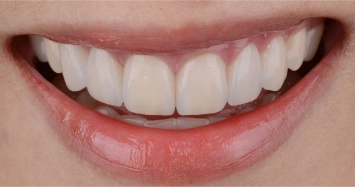

Cosmetic dentistry attracts people for all kinds of reasons. Some want to fix a single chipped front tooth that catches the light every time they speak. Others are tired of years of staining, uneven edges, or old dental work that no longer matches the rest of their smile. A few have spent decades covering their mouth in photos and finally feel ready to change that. The common thread is rarely vanity in the shallow sense people imagine. More often, it is comfort, confidence, and the desire to feel that the smile in the mirror fits the person behind it.
The phrase good candidate can sound more rigid than it really is. There is no single mold. A good candidate for Cosmetic Dentistry is not defined by perfect teeth, a certain age, or a celebrity-style smile goal. In practice, the strongest candidates tend to share a few important traits: they have healthy enough teeth and gums to support treatment, they understand what cosmetic procedures can and cannot do, and they are willing to maintain the result.
That last point matters more than many patients expect. Beautiful work can fail early in the wrong environment. Teeth Toothworks of Bakersfield, Dentist and Orthodontist Cosmetic Dentistry that are whitened but exposed to heavy staining habits will darken faster. Veneers placed on someone with uncontrolled grinding may chip. Bonding applied to teeth with poor hygiene will not look good for long. A cosmetic plan is part design, part biology, and part behavior.
The foundation matters more than the finish
Before discussing shape, shade, symmetry, or smile design, an experienced dentist starts with health. Cosmetic improvements sit on top of the basics. If those basics are unstable, the cosmetic result becomes harder to predict and harder to preserve.
Healthy gums are one of the clearest signs that someone may be a strong candidate. Gum tissue frames the teeth. Even subtle swelling, bleeding, or recession can change the look of a smile and complicate treatment. A patient may come in asking for veneers because the teeth look too short, when the real issue is inflamed gums that make them appear smaller. Another may request whitening, but exposed root surfaces from recession mean sensitivity needs to be addressed first.
Tooth structure is just as important. Cosmetic work tends to perform best when there is enough sound enamel to bond to and when decay, cracks, or failing restorations have been identified in advance. A person with several small chips and healthy enamel may be ideal for conservative bonding. Someone with severe wear, large old fillings, and bite collapse may still be a candidate, but the treatment becomes more complex and moves beyond pure cosmetics into reconstruction.
This is where patient expectations sometimes need gentle recalibration. Not every aesthetic complaint is solved with the same procedure, and not every mouth is ready for immediate cosmetic treatment. A good candidate is often someone who accepts that treating gum disease, cavities, or bite problems first is not a delay, it is what gives the cosmetic result a fair chance.
What patients are usually trying to improve
Cosmetic concerns tend to fall into a handful of familiar categories. Color is the most common. Teeth darken over time from coffee, tea, red wine, tobacco, certain medications, aging, and old trauma. Shape and proportion come next. Some teeth are naturally small, rounded, worn, or uneven. Alignment also matters, even in cases that are milder than what people picture when they hear the word orthodontics. A slightly rotated front tooth, a narrow smile, or spacing between the upper front teeth can all have a strong visual effect.
There is also the issue of mismatch. Many adults have a patchwork smile made up of natural teeth, old fillings, crowns placed years apart, and perhaps one discolored tooth after an injury. These are often excellent cosmetic cases because the patient is not chasing an abstract ideal. They have a specific, visible problem with a concrete solution.
One patient I once heard described by a dentist had beautiful overall teeth but a single darkened front tooth from a childhood sports injury. Functionally, she was fine. Socially, she smiled with her lips closed. That kind of case illustrates an important point: candidacy is not only about the size of the dental problem. It is also about whether the concern is meaningful enough to the patient to justify treatment.
The best candidates have realistic goals
Realistic expectations separate satisfying cosmetic work from disappointing cosmetic work.
A good candidate understands that cosmetic dentistry can improve a smile dramatically, but it does not erase every quirk of anatomy or aging. Natural teeth are not machine-made. They have translucency, texture, and small variations that help them look alive. Patients who insist on absolute uniformity often end up asking for something that looks less natural, not more refined.
Realistic goals also mean understanding the limits of each procedure. Whitening can brighten teeth, but it will not change the color of crowns, fillings, or veneers. Bonding can reshape and repair, but it is not as stain resistant or as long-lasting as porcelain. Veneers can transform color and form, but they require thoughtful planning and are not the first answer for every minor flaw. Clear aligners can move teeth beautifully in many cases, but not every bite can be corrected cosmetically without broader orthodontic or restorative planning.
Most experienced dentists can usually tell within the first consultation whether expectations are grounded. The strongest candidates say things like, “I want my teeth to look healthier and more even,” or “I want to fix this spacing without making my smile look fake.” The more difficult cases often involve requests for impossible shade changes, instant full-mouth transformation without addressing disease, or copied celebrity photos that ignore the patient’s own facial features and bite.
Oral habits can make or break the result
A person’s daily habits often matter as much as the planned procedure. Cosmetic dentistry is not installed in a vacuum. It has to live in a real mouth that chews, clenches, drinks coffee, skips a few nights of flossing now and then, and sometimes wakes up with jaw tension after a stressful week.
Bruxism, or grinding and clenching, deserves special attention. It does not automatically disqualify someone from cosmetic treatment. Many patients with grinding still do very well. But it changes the conversation. Worn edges, cracked enamel, flattened biting surfaces, and jaw soreness suggest that forces on the teeth may be high. In those cases, a dentist may recommend a night guard, stronger material choices, or a staged plan that protects the investment.
Smoking and vaping also affect candidacy, especially when gum health or healing is involved. Smokers can still receive cosmetic treatment, of course, but they need to understand the trade-offs. Whitening results may relapse sooner. Gum contours may be less predictable. The overall long-term appearance of dental work can suffer when the surrounding tissues are not healthy.
Home care matters in a more ordinary but equally important way. Plaque accumulation around the gumline will eventually undermine even excellent cosmetic work. Patients do not need to be perfect, but they do need to be engaged.
Here are the habits that usually support strong cosmetic outcomes:
- Consistent brushing with a nonabrasive toothpaste and good technique
- Daily cleaning between the teeth, whether by floss or another effective method
- Regular dental maintenance visits so small changes are caught early
- Willingness to use protective appliances, such as a night guard, when indicated
- Moderation with staining agents or awareness that they affect longevity
That list sounds simple because it is. The challenge is not complexity. It is follow-through.
Age is less important than condition
People often ask whether they are too young or too old for cosmetic dentistry. In most cases, age alone is not the deciding factor. Dental and periodontal condition matter far more.
For younger adults, the main issue is usually timing and conservation. If someone in their early twenties wants to improve mild spacing or uneven edges, a conservative approach often makes sense. Whitening, orthodontic alignment, or minimal bonding may provide a major improvement while preserving future options. Good candidates in this age group are those who understand that keeping natural enamel intact is valuable.
For older adults, candidacy often depends on the existing restorations, wear patterns, gum levels, and bite stability. A 68-year-old with healthy gums, stable restorations, and a clear cosmetic concern may be an excellent candidate. In fact, many older patients are ideal because they know exactly what bothers them and are usually motivated to maintain the result. The treatment plan may simply need to account for recession, previous dental work, dry mouth, or years of functional wear.
Teenagers are a more nuanced category. Purely cosmetic procedures that irreversibly alter teeth are usually approached with caution until growth, eruption, and smile development are more settled. That said, there are situations where cosmetic bonding, contouring, or whitening after orthodontics can be appropriate if carefully timed.
Psychological readiness is part of candidacy
This part is not discussed enough. A good candidate is emotionally ready for the process and for the result.
Cosmetic dentistry can improve appearance, but it does not reliably solve deeper problems with self-esteem, body image, or social anxiety. When a patient expects a new smile to repair a failing relationship, transform a career overnight, or erase long-standing insecurity rooted far beyond the teeth, the treatment may be clinically successful yet still feel emotionally disappointing.
The healthiest cosmetic cases usually involve patients who can identify specific concerns and who view treatment as enhancement rather than rescue. They want to feel more at ease when they speak, laugh, or take photos. They are not expecting dental work to create a different identity.
This is also why a careful consultation matters. Patients need time to talk through what bothers them, what they have noticed in photos or mirrors, what they fear about treatment, and what kind of result feels authentic. Some people arrive saying they want veneers when what they truly want is a brighter color and a less crowded lower front segment. Others ask for whitening when the real source of dissatisfaction is shape, not shade. A good candidate listens as well as asks.
Different procedures suit different kinds of candidates
Cosmetic dentistry is a broad category, not one treatment. Matching the person to the procedure is where experience shows.
Teeth whitening tends to be best for patients with generally healthy teeth who are bothered mainly by generalized staining or age-related darkening. It is conservative and often highly satisfying. It is less ideal as a stand-alone fix when the smile includes many visible restorations or one dark tooth that does not respond evenly.
Dental bonding often suits patients with small chips, minor spacing, irregular edges, or localized shape issues. It can be elegant, affordable, and conservative. It may not be the best long-term choice for someone with a heavy bite, strong staining habits, or a desire for major color change.
Porcelain veneers are often appropriate for patients with multiple aesthetic concerns across the front teeth, especially when color, shape, proportion, and minor alignment all need improvement at once. The best veneer candidates usually have healthy gums, enough enamel for bonding, and clear goals about natural appearance. Veneers are not a shortcut around untreated disease or serious bite dysfunction.
Clear aligners or other orthodontic options are often underused in cosmetic planning. Many people are better candidates for tooth movement than for aggressive reshaping. If alignment is the real problem, moving teeth into a better position may preserve more tooth structure and create a more stable result. Patients willing to spend more time for a more conservative answer are often the ones happiest years later.
Crowns can improve aesthetics too, but they are usually chosen when teeth are already structurally compromised. A tooth with a large filling, fracture, or prior root canal may need full coverage for protection, with cosmetic improvement being part of the benefit. In those cases, candidacy is determined by health and function first.
Bite, jaw function, and hidden structural issues
The smile is what patients see. The bite is what dentists worry about.
You can place beautiful restorations on front teeth, but if the bite drives excessive force into them every time the patient chews or slides the jaw side to side, those restorations are being asked to survive bad mechanics. This is one reason candidacy cannot be assessed from photographs alone.
A patient may look like a straightforward cosmetic case but present with edge-to-edge bite, deep bite, fremitus, abfractions near the gumline, or joint symptoms that suggest a more complicated picture. None of these automatically rule out treatment. They simply affect how treatment should be planned.
Sometimes the most responsible answer is to phase the work. Stabilize the bite first. Address the wear. Test a new shape with bonding before committing to porcelain. Use provisional restorations to evaluate comfort and speech. The best candidates usually appreciate this measured approach once they understand that it protects both appearance and longevity.
Financial readiness and maintenance expectations
Cosmetic treatment is elective in most cases, and that brings a practical layer into candidacy. A person can be biologically suitable and still not be ready if the budget Cosmetic Dentistry only covers the first step but not the maintenance that follows.
This is not about pushing expensive care. Often the opposite is true. A good dentist will help a patient choose the least invasive option that meets the goal. But every cosmetic procedure has a maintenance profile. Whitening may require periodic touch-ups. Bonding may need polishing, repair, or replacement over time. Veneers and crowns can last many years, but they are not permanent in the literal sense. Gum health, bite changes, and ordinary aging continue.
Patients who do best are those who ask sensible questions about longevity, maintenance, and alternatives before treatment begins. They want to know not only how the result will look next month, but how it is likely to behave five or ten years from now.
A helpful consultation usually answers questions like these:
- What problem is cosmetic, and what problem is structural or biological
- Which options are conservative, and which involve more permanent change
- How long each option typically lasts in a patient with similar habits and bite forces
- What maintenance or replacement should be expected over time
- What happens if treatment is postponed or done in phases
Those questions often reveal whether a patient is ready. People who want straightforward answers and can weigh trade-offs tend to make better long-term decisions.
When someone may not be ready yet
Not being ready for cosmetic dentistry does not mean never. It often means not yet.
Active gum disease is a common reason to postpone aesthetic work. Untreated decay is another. So are poor home care, uncontrolled grinding, and unresolved pain. If a patient cannot keep the gums healthy around natural teeth, adding cosmetic restorations will not fix that. If a tooth is aching or infected, making it prettier is beside the point until the disease is managed.
There are also times when the obstacle is decisional rather than dental. Some patients want treatment but have not settled on what bothers them most. They bring in ten smile photos, change their goals week to week, and react strongly to tiny cosmetic variations during mock-ups. That can be a sign that more discussion, planning, or even a pause is wise before starting anything irreversible.
A cautious dentist is not being difficult when they slow the process down. In cosmetic care, restraint is often a mark of quality.
The role of consultation photos, mock-ups, and trial changes
One of the best ways to identify a good candidate is to see how they respond to the planning process itself. Photographs, digital previews, wax-ups, and temporary mock-ups can reveal a lot. They help the dentist study facial proportions, lip dynamics, gum display, and tooth position. They also help the patient translate vague desires into specific preferences.
Some patients think they want very white, very square front teeth until they see that style in a mock-up and realize it clashes with their face. Others discover that tiny changes in length or contour make a bigger difference than they expected. This phase can prevent overtreatment.
Patients who engage thoughtfully with previews are often ideal candidates. They can say, “I like the added length but not the width,” or “I want the color softened a little.” That kind of feedback leads to precise, customized work. By contrast, patients who remain deeply dissatisfied with every reasonable preview may not be ready for definitive treatment.
A good candidate is often looking for harmony, not perfection
The best cosmetic outcomes usually do not shout. They read as healthy, balanced, and believable. Friends may say the person looks refreshed without immediately identifying why. That is often the sweet spot.
A good candidate for Cosmetic Dentistry is someone whose goals align with that kind of result. They value improvement over artificial perfection. They understand that healthy tissues, sound planning, and durable function matter just as much as a bright shade guide. They are willing to maintain the work and to choose the right procedure rather than the fastest or flashiest one.
For some, the right next step is whitening. For others, it is orthodontics, bonding, veneers, crowns, or simply treating gum disease first and revisiting aesthetics later. The label good candidate is less about qualifying for a cosmetic upgrade and more about being positioned, physically and mentally, for a result that looks right, feels comfortable, and lasts.
That is what makes cosmetic dentistry worthwhile. Not the promise of a perfect smile, but the chance to create one that fits the person wearing it.
Toothworks of Bakersfield, Dentist and Orthodontist
1030 H St #1, Bakersfield, CA 93304, United States
+1 661-323-9421
FAQ About Cosmetic Dentistry
Is bonding better than veneers?
Neither option is best for everyone. Composite bonding can address small chips, gaps, or shape concerns and is generally easier to repair. Porcelain veneers may offer greater resistance to staining and wear, but often require removal of some enamel. A dentist should assess your oral health, bite, goals, and budget before recommending treatment.
How long will dental bonding last?
Bonding commonly lasts about three to ten years before it needs repair or replacement, though this varies with the location and amount of bonding, your bite, and daily habits. Regular dental visits, good oral hygiene, and avoiding chewing hard objects can help protect it. Ask your dentist what lifespan is realistic for your particular treatment.
What are the risks of teeth whitening?
Whitening can cause temporary tooth sensitivity and gum irritation. Overuse or incorrect use may damage teeth or gums, and whitening does not change the color of existing crowns, veneers, or fillings. Have a dentist assess your teeth and gums, and follow the recommended product directions and treatment schedule.